

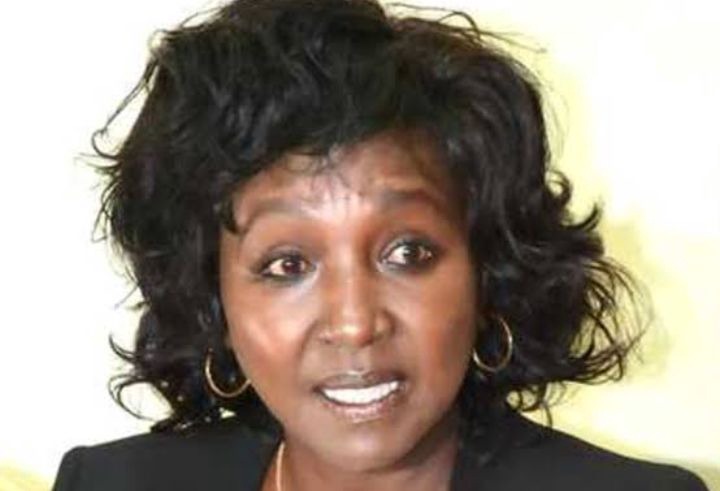
Deputy Speaker of the National Assembly Gladys Boss Shollei has raised concerns about the future of the United Democratic Alliance (UDA).
Speaking candidly, Shollei suggested that many politicians could soon leave the ruling party despite their respect and admiration for President William Ruto.
Shollei explained that loyalty to the president remains strong among some leaders. However, political realities at the grassroots level are forcing them to reconsider their party affiliations.
She noted that some politicians may feel compelled to switch parties to improve their chances of retaining their seats in the upcoming elections.
According to Shollei, the situation reflects the tension between national loyalty and local political interests.
Her remarks point to growing unease within UDA as politicians assess their electoral prospects in different regions.
The party rose to power on promises of unity and reform. However, some of its members now appear to be weighing their political survival against their continued association with UDA.
Shollei stressed that leaving UDA does not necessarily amount to rejecting President Ruto’s leadership.
Instead, she said, some politicians could make such decisions as a strategic move if they believe their electoral success depends on joining alternative parties.
Her comments highlight the fluid nature of Kenyan politics, where alliances and party affiliations can change as elections approach.
Shollei’s remarks have sparked debate among political observers.
Some view them as a warning sign of possible instability within UDA. Others see them as a realistic assessment of Kenya’s highly competitive political environment.
As a senior UDA leader, Shollei’s comments have attracted attention and raised questions about the party’s ability to retain its members.
If significant defections occur, UDA could face challenges in maintaining its influence across different counties.
For voters, such changes could lead to a more fragmented political environment, with shifting alliances influencing campaign strategies.
As Kenya moves closer to another election cycle, Shollei’s remarks underscore the challenge facing political parties.
UDA will have to balance support for its national leadership with the local political interests of its members.
Whether the party can maintain its influence will depend partly on how it responds to these concerns and adapts to Kenya’s changing political landscape.