

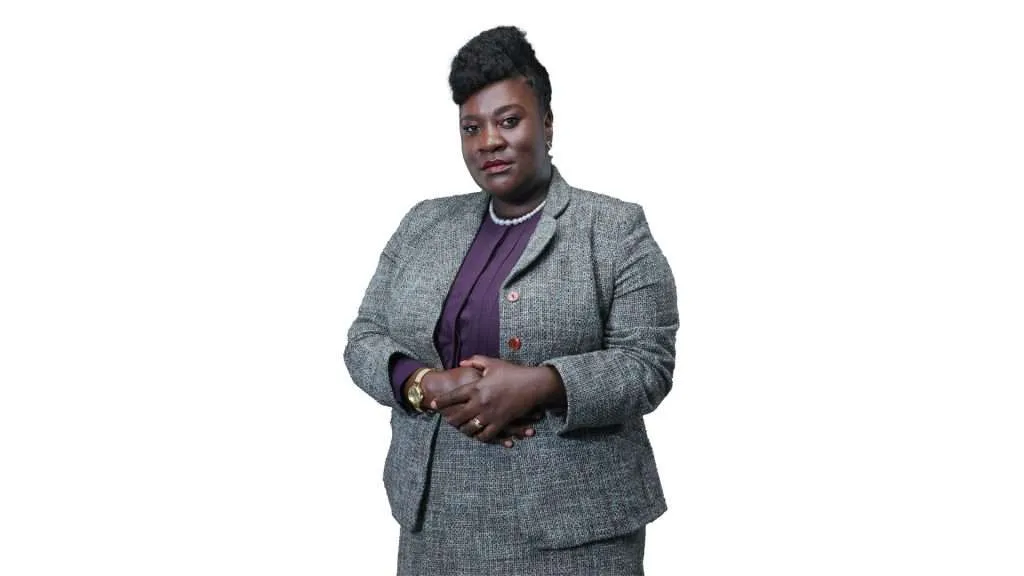
Gashiki Gashiki returned to the screen with confidence and clarity after a decade-long break from acting. She brings a grounded presence to the gender-bending dramedy Adam to Eve. The Kalasha-nominated actress plays Mrs. Obama, a bold HR boss in a story that follows Adam, a Nairobi playboy, who wakes up transformed into a woman. As a result, he is forced into a journey of self-discovery, humour, and redemption.
Gashiki’s career path has not been linear. She began in theatre with Afrika Nasaha and later moved into television with Parasites on Swahili Africa Magic in 2013. However, she stepped away from acting for about ten years after shifting into public service work with the Murang’a County Government. She describes this break as personal and necessary. In addition, she notes that sustaining a film career in Kenya can be financially difficult. Even so, she says acting never left her. It kept pulling her back.
In 2023, she returned through Phil It Productions’ Haki Mwitu, where she played Bi Dokta. Since then, she has continued building momentum with roles in Jiji and the short film Transaction. The film premiered at the International Film Festival Rotterdam. It also earned her a 2026 Kalasha nomination, marking a strong comeback into the industry.
She explains that her return felt natural. This is because she thrives in spaces where directors trust her process. She prefers creative freedom on set. Moreover, she responds strongly to grounded storytelling. In Adam to Eve, she connects deeply with the emotional weight behind the comedy. Gashiki describes the story as one that balances humour and pain. At the same time, it explores identity and transformation in a human and relatable way.
Beyond her screen work, Gashiki carries a strong sense of identity and purpose. She describes herself as calm, reflective, and intentional about her life off-screen. In addition, she speaks openly about how actors are often misunderstood when audiences forget they are real people with real experiences.
Looking ahead, she remains focused on telling African stories from an authentic place. She believes Kenya and the wider continent should not wait for external validation. Instead, she continues to push for stronger local storytelling that can travel globally on its own terms.