

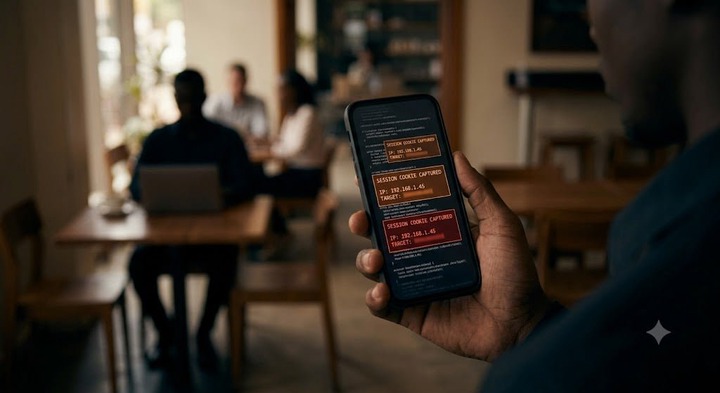
The reported exposure of millions of personal records through Kenya’s eCitizen platform has raised concerns about the safety of Kenyans’ digital identities and the possibility of criminals misusing the information.
The leaked records include national identity card details, passport information, photographs, dates of birth, KRA PINs and other personal information. Such details can potentially be used in identity theft, impersonation, phishing attempts and fraudulent transactions.
Although the government has said investigations into the reported unauthorised access are ongoing, Kenyans whose information may have been exposed should take steps to protect their accounts and monitor suspicious activity.
Here are five things to do following a personal data breach.
1. Change passwords on important accounts
If you use the same password across different online platforms, consider changing it immediately. Start with your email, banking applications, social media accounts and other services that contain personal information.
Use different, strong passwords for each account rather than relying on one password everywhere. A password manager can help you create and store them securely. Where available, activate two-factor authentication, which adds another verification step when someone attempts to access your account.
2. Monitor your bank and mobile money transactions
Personal information exposed in a data breach can sometimes be used by criminals attempting to impersonate account holders. Regularly check your bank statements, M-Pesa transactions and other mobile money accounts for transactions you do not recognise.
Pay attention to unexpected withdrawals, unfamiliar payment requests, account notifications or messages about changes you did not make. If you notice suspicious activity, contact your bank or mobile money provider immediately through its official customer service channels.
3. Be careful with suspicious calls, messages and emails
After a data breach, scammers may use exposed personal details to make fraudulent communication appear genuine.
For instance, someone may call claiming to be from a government agency, a bank or an online service provider and mention your name, ID number or KRA PIN to gain your trust.
Do not share your passwords, one-time passwords (OTPs), PINs or other security credentials with callers.
Avoid clicking unfamiliar links sent through SMS, WhatsApp or email, even when the message appears to come from an organisation you recognise. Instead, contact the organisation through its official website or customer care number.
4. Secure your identity documents and personal information
If your national identity card number, passport details or KRA PIN have been exposed, be extra careful about where and how you share those details. Avoid sending copies of your identification documents to unfamiliar individuals or unverified websites.
Be alert to unexpected notifications about account registrations, loan applications, tax activities or services you did not request.
If you suspect someone is using your identity without permission, report the matter to the relevant institution and the appropriate authorities. Do not assume that changing your eCitizen password alone will resolve possible misuse of your identity documents.
5. Report suspicious activity and follow official updates
If you receive evidence that your personal information is being used fraudulently, preserve the messages, screenshots, transaction details or other records.
Report suspected cybercrime to the relevant authorities, including the Directorate of Criminal Investigations (DCI), and notify the affected bank, mobile money provider or government agency.
Kenyans should also follow official government communication for updates on the eCitizen investigation and any recommended security measures. Avoid relying on unverified social media posts or individuals claiming they can remove leaked information from the internet in exchange for payment.
Protecting yourself after a data breach
A data breach does not automatically mean that every exposed record will be used for fraud. However, once personal information circulates beyond its intended environment, it can be difficult to control where it ends up.
Taking precautions, monitoring accounts and responding quickly to suspicious activity can help reduce the risk of further exposure and financial loss.
Kenyans should remain alert even after changing their passwords because identity details such as national ID numbers, dates of birth and passport information cannot be changed as easily as online login credentials.