

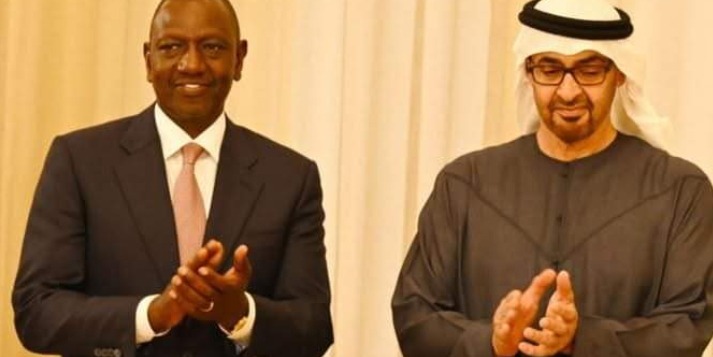
The Kenya-United Arab Emirates Comprehensive Economic Partnership Agreement (CEPA), signed on January 14, 2025, has drawn significant concern from patients suffering from HIV, cancer, and tuberculosis (TB) in Kenya.
These patients are urging Members of Parliament (MPs) to review the agreement, citing the lack of public participation in the decision-making process. They argue that this could lead to devastating consequences for their access to affordable medicine, as certain provisions of the agreement may make it harder for them to afford the life-saving drugs they depend on.
One of the primary concerns raised by these patients is that the CEPA, while aimed at promoting economic growth and cooperation between Kenya and the UAE, includes provisions related to pharmaceutical imports and intellectual property rights that could directly impact drug pricing.
Specifically, the agreement strengthens patent protection for some pharmaceutical companies, thereby limiting Kenya’s ability to import or produce generic versions of critical medications.
This would result in significantly higher prices for life-saving drugs like antiretrovirals (ARVs), cancer treatment medications, and TB drugs, which many patients rely on for their survival.
The Eco News Organisation, a group leading the call for a review of the agreement, highlights that some sections of the CEPA grant a few pharmaceutical manufacturers the exclusive right to manufacture and sell certain medications for up to five years.
This creates a monopoly, allowing these companies to set prices without competition. The organisation argues that this could lead to prices soaring by as much as ten times, making it impossible for patients to afford the necessary treatments.
For instance, patients currently spending Ksh 250,000 every 21 days on ARVs could see that cost rise to Ksh 2.5 million for the same period.
Such a sharp increase in costs would place immense strain on individuals already struggling to manage their health conditions, with many potentially unable to continue their treatment.
The Inuka Kenya organisation has also voiced concerns about the broader implications of CEPA, suggesting that while the agreement promises to foster trade and industrialisation, it lacks clear provisions for tariff reductions on Kenyan exports and improved labor mobility.
This undermines the potential benefits of the agreement, especially when it comes to access to affordable medicines.
The CEPA has already sparked controversy due to its perceived lack of public consultation before its approval by Parliament. The public participation provision, which is meant to allow citizens to voice their opinions on such agreements, only comes into play after the agreement has been signed.
This approach has alarmed many, including the patients who fear that the current terms of the agreement could make it even harder for them to secure essential medications.
Since its inception, the CEPA has been seen as a means of deepening economic ties between Kenya and the UAE, focusing on trade, investment, and economic cooperation. However, the concerns raised by patients emphasize the need for careful consideration of the health implications of such agreements.
These patients are calling on MPs to take action before the situation worsens, urging them to revise the terms of the CEPA to ensure that access to affordable medicine is not compromised.
Ultimately, while the CEPA aims to foster economic growth, the Kenyan government must ensure that the health and well-being of its citizens remain a priority.
The lives of HIV, cancer, and TB patients should not be sacrificed in the pursuit of economic deals, and it is crucial that MPs listen to the voices of those who stand to be most affected by these agreements.
By Kenyans