

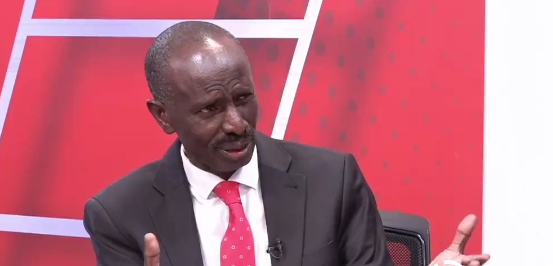
Wilson Sossion, former Secretary-General of the Kenya National Union of Teachers (KNUT) and a former nominated Member of Parliament, shed light on the deep-rooted issues plaguing Mount Kenya politics. He provocatively asks, “What is the origin of these fights? When did it start and when will it end?” According to Sossion, the conflict traces its origins back to the very heart of Mount Kenya and remains entrenched in local dynamics rather than the broader national political landscape.
Sossion emphasizes that the ongoing struggles among political figures in the region are not merely the result of President William Ruto’s policies or leadership style. Instead, he points to Deputy President Rigathi Gachagua’s challenges with his own Members of Parliament as the real source of the discord. This internal strife, Sossion argues, reveals a fractured political environment that complicates governance and unity in the region.
The Mount Kenya region, traditionally seen as a political stronghold, is now experiencing significant turbulence. Sossion’s assertion highlights a growing disconnect among local leaders, suggesting that the rift is less about external pressures and more about personal ambitions and rivalries. As these tensions simmer, questions arise about the future of Mount Kenya’s political landscape: Can these leaders reconcile their differences, or will the division deepen?
Furthermore, Sossion’s remarks prompt a broader reflection on the implications of this rift for the electorate. With local representatives embroiled in infighting, the real needs of the constituents risk being overlooked. As the political climate continues to shift, all eyes will be on Mount Kenya to see if unity can be restored or if the divisions will lead to a prolonged crisis that could reshape the region’s political future.
In a time of uncertainty, understanding the origins of these conflicts is crucial for anyone invested in the political dynamics of Kenya.
By Kenyans