

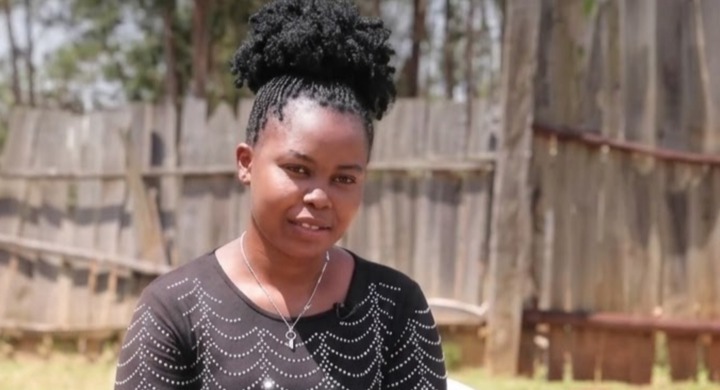
Alice Wangari left Kenya for Qatar in 2019, hoping to earn enough money to change her family’s circumstances. She wanted to build her mother a decent house and open a small grocery shop in Nakuru.
For almost three years, she worked as a domestic worker in Doha, saving part of her earnings and sending some money home. By early 2023, she had accumulated close to KSh480,000.
But just when she thought she was getting closer to achieving her plans, Wangari developed a health problem she found difficult to discuss with anyone.
At 34, she began experiencing a painful skin condition around her private parts. She suffered persistent itching, bleeding and an unpleasant smell that made her uncomfortable around other people.
The problem affected her confidence, but she was afraid to seek medical attention. As a domestic worker in a foreign country, she feared discussing the condition and possibly putting her job at risk.
In an interview with TUKO.co.ke, Wangari explained how embarrassment kept her from visiting a hospital. She eventually turned to Facebook, hoping to find someone who could help her.
That was where her troubles took a different turn.
She came across a woman running a Facebook page that advertised herbal treatments for women’s private health problems. The woman later connected her to three other people who introduced themselves as a herbalist, a pastor and a doctor who claimed to work at a private clinic in Nairobi.
Wangari said the group told her that her condition had a spiritual cause and required special prayers alongside herbal treatment.
They recommended detox teas, imported suppositories and other products. They also demanded money for consultations, prayers and medication.
Believing they could help her, Wangari started sending payments in instalments. Sometimes she sent KSh15,000, while other requests required KSh30,000.
The payments continued for about eight months. By the time she realised something was wrong, she had sent the group approximately KSh390,000.
She said they regularly called her, sent voice messages and prayed with her over the phone. Their continued communication made her believe that they were genuinely concerned about her recovery.
However, the medication they had promised never arrived, and her condition remained unresolved.
Her suspicions grew when she started asking for receipts and the address of the clinic where the doctor supposedly worked. The people she had trusted reportedly became evasive.
Wangari’s sister eventually intervened and urged her to visit a hospital in Kenya.
By then, she had less than KSh20,000 remaining in her savings account. Money she had spent years earning in Qatar was almost gone.
At the hospital, doctors diagnosed her with a severe fungal infection accompanied by untreated haemorrhoids. She was prescribed antifungal medication and antibiotics.
According to Wangari, the treatment cost less than KSh3,000.
The discovery was difficult to accept. After spending approximately KSh390,000 on people promising to cure her, she learnt that the medical treatment she needed cost only a small fraction of that amount.
She was left devastated, wondering why she had allowed fear and embarrassment to keep her away from qualified medical professionals.
Returning home with almost nothing
Wangari returned to Kenya in mid-2023, but she did not have the money she had hoped to bring back.
Her plans to build her mother’s house and start a grocery shop had been put on hold. Instead, she returned to the family’s one-room home in Nakuru.
Although treatment helped address her health problem, recovering financially proved much harder.
She now depends on casual jobs, earning approximately KSh500 a day. The money is far below what she had hoped to achieve after spending years working abroad.
The experience also affected her confidence. She admitted that the shame surrounding her condition made her vulnerable because she was afraid to ask for help from people who could have directed her to proper medical care.
Wangari has decided to share her experience to warn other Kenyans against trusting strangers who advertise medical solutions on social media without proper verification.
She reportedly reported the people involved to the Directorate of Criminal Investigations (DCI). However, tracing them has proved difficult after their accounts were allegedly closed and their phone numbers disconnected.
Despite the setback, she has not abandoned her plans. She hopes to start saving again, rebuild her finances and eventually give her mother the house she had promised.
This time, she says, she intends to be more careful about where she seeks medical assistance and how she spends her hard-earned money.
Her experience shows how a health problem that someone is too embarrassed to discuss can leave them vulnerable to people promising quick solutions.
For Wangari, the loss went beyond KSh390,000. She lost money she had worked years to save and had to return home without accomplishing the goals that had taken her to Qatar.