

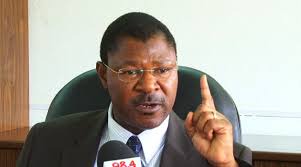
National Assembly Speaker Moses Wetang’ula has broken his silence after two Bungoma Members of Parliament, Jack Wamboka and Majimbo Kalasinga, reportedly refused to greet him during a funeral attended by leaders from the Linda Mwananchi Movement led by Nairobi Senator Edwin Sifuna.
Wetang’ula has called on political leaders to exercise maturity, respect divergent opinions and embrace dialogue, urging politicians to avoid allowing political differences to interfere with mutual respect and peaceful coexistence.
Speaking in the wake of the incident, the National Assembly Speaker cited the late former Prime Minister Raila Odinga as an example of a leader who demonstrated tolerance and maintained engagement with political rivals despite sharp disagreements.
His remarks come amid heightened political activity in Western Kenya, where competing political camps have been seeking to consolidate their influence ahead of the 2027 General Election.
The funeral, attended by several political leaders, reportedly witnessed an uncomfortable moment after Wamboka and Kalasinga declined to greet Wetang’ula, sparking discussions about the growing divisions among leaders from the region.
The presence of Sifuna and members of the Linda Mwananchi Movement added political significance to the gathering, with the movement increasingly positioning itself as a force in the country’s evolving opposition politics.
Wetang’ula’s appeal for political maturity appeared to underscore the importance of maintaining cordial relations even when leaders disagree on political direction, alliances and leadership ambitions.
By invoking Raila’s legacy, the Speaker pointed to the importance of dialogue and tolerance in managing political differences. Raila, who died in October 2025, was widely known for his long and often turbulent political career, during which he engaged in fierce contests with opponents while also participating in negotiations and political cooperation.
The incident involving the Bungoma legislators comes at a time when political realignments are intensifying across the country, with leaders beginning to position themselves ahead of the next general election.
Western Kenya remains a politically significant region, and interactions among prominent leaders continue to attract attention as different camps seek to strengthen their support bases.
Wetang’ula’s message serves as a reminder that political competition does not have to translate into personal hostility, particularly during public gatherings meant to honour the departed.
Whether the incident will trigger further political exchanges among the leaders remains to be seen, but the Speaker’s call for dialogue has placed the spotlight on the need for maturity and mutual respect in Kenya’s increasingly competitive political environment.