

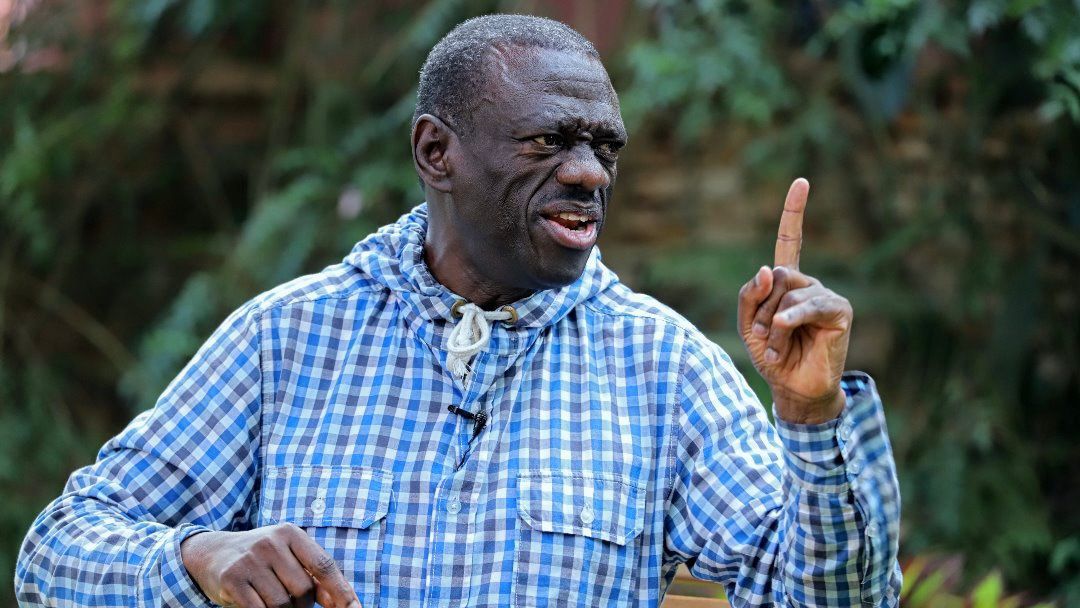
The Kenya Kwanza administration has come under fierce diplomatic, legal, and political fire following the forced arrest and military deportation of Ugandan opposition leader Dr. Kizza Besigye and his aide, Hajj Obeid Lutale, from Nairobi.
The controversy stems from the covert operation in which Besigye and Lutale were seized from a residential apartment in Nairobi—where they were attending a book launch and political engagements—and forcibly transferred across the border to Kampala.
Besigye subsequently resurfaced before a military court martial in Uganda, facing charges related to illegal possession of firearms and treasonable acts allegedly planned in Nairobi and abroad.
The incident has triggered severe blowback for the ruling administration. Kenyan opposition figures, human rights advocacy groups, and regional legal experts have accused State House and domestic security agencies of breaching international refugee conventions, judicial extradition frameworks, and constitutional protections regarding asylum seekers and visiting dignitaries.
While senior government officials have attempted to distance the administration from direct involvement—claiming no prior knowledge of the operation—critics and civil society organizations argue that foreign agents could not have executed a cross-border removal without state complicity or severe intelligence lapses.
In response, Besigye and his legal team have initiated high-stakes legal proceedings at the East African Court of Justice (EACJ), seeking to hold Kenyan officials accountable for human rights violations and challenging the legitimacy of cross-border military renditions within the East African Community.
As regional activists stage protests in Nairobi, the fallout threatens to strain Kenya’s standing as a democratic sanctuary ahead of the 2027 General Election.