

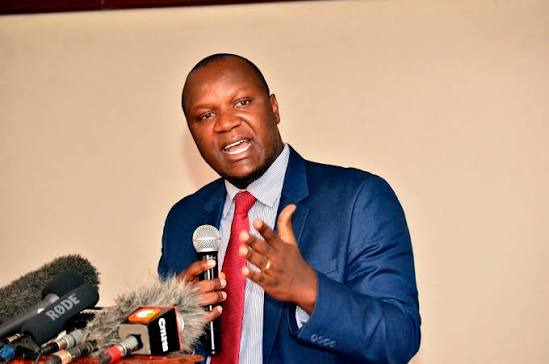
Lawyer and political commentator Willis Otieno has accused some Members of Parliament from the Luo community of deliberately frustrating development projects for political reasons, only to later return to the same areas and present themselves as champions of development.
Otieno made the remarks while commenting on the political dynamics surrounding development projects and the role of elected leaders in delivering services to their constituents.
According to him, some politicians have adopted a strategy where they undermine existing projects before using their subsequent revival or replacement as a political selling point.
“Some Luo land MPs were ordering the destruction of existing development, only to later return and claim they are bringing development,” Otieno said.
The remarks have sparked debate over the responsibility of elected leaders and whether development projects should be treated as political property.
Otieno’s comments suggest that some leaders may be more interested in controlling the political narrative around projects than ensuring continuity and efficient service delivery.
Development projects, particularly those involving roads, health facilities, schools, water systems and other public infrastructure, are funded through public resources.
Their implementation is therefore expected to serve residents regardless of which politician initiated, supervised or commissioned them.
Critics of political interference in development argue that deliberately disrupting projects can have serious consequences for local communities.
Delays, stalled works and destruction of existing infrastructure can increase costs while denying residents access to essential services.
Otieno’s remarks also touch on a broader concern in Kenyan politics, where politicians frequently seek recognition for projects completed during their tenure.
In some cases, leaders have been accused of taking credit for initiatives started by their predecessors, while simultaneously distancing themselves from projects associated with political rivals.
The allegations, however, remain claims attributed to Otieno, and specific MPs were not identified in the statement.
The affected politicians would therefore have an opportunity to respond to the accusations and provide their own account of the circumstances surrounding the projects in question.
The debate nevertheless highlights the importance of separating public development from political competition.
Residents ultimately bear the cost when projects are stalled, abandoned or unnecessarily replaced because of political rivalries.
As Kenya heads toward another politically charged period, Otieno’s comments are likely to fuel conversations about accountability, continuity in government projects and the need for elected leaders to prioritise public interest over political credit.
For many voters, the key question may not be who gets credit for development but whether projects are completed, maintained and delivered efficiently for the communities they are intended to serve.