

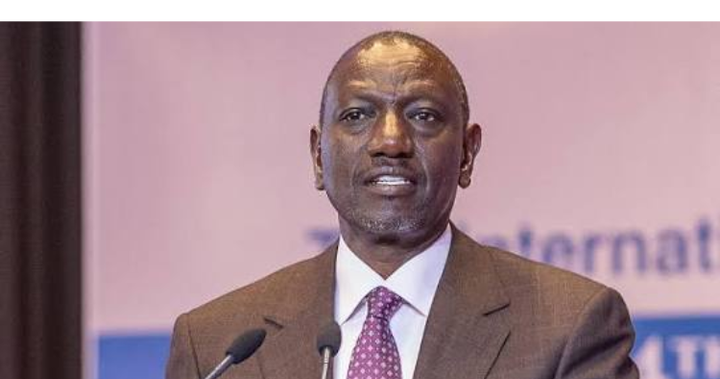
In a lighthearted yet politically calculated remark at State House Nairobi, President William Ruto declared that his administration will enshrine support for village elders into law to ensure its permanence regardless of who wins the 2027 election.
Referencing Nairobi Senator Edwin Sifuna, Ruto noted that even if an opposition figure were to defeat him in 2027, the incoming administration would remain legally compelled to maintain village elder stipends and benefits.
Speaking before thousands of village elders and community representatives gathered at State House, the President emphasized the urgent need to institutionalize grassroots administration.
He noted that without a firm statutory framework, future administrations could easily roll back the KSh 3,000 monthly allowance, smartphones, and Social Health Authority (SHA) coverage recently rolled out for local custodians.
The President’s lighthearted reference to Sifuna comes amidst rising political momentum for the Nairobi Senator and Secretary-General of the Orange Democratic Movement (ODM).
Sifuna’s growing visibility through his ‘Linda Mwananchi’ movement—including a recent endorsement by a section of Western Kenya elders has sparked widespread discussion regarding potential 2027 opposition combinations.
During the State House event, senior political figures, including ODM Leader Dr. Oburu Oginga, praised the government’s decision to formally recognize village elders after decades of uncompensated service.
Oburu observed that providing local administrators with official recognition, mobile technology, and health insurance significantly boosts grassroots security and dispute resolution.
Under the proposed legislative framework, the National Government Coordination Act will be amended to officially integrate village elders into the national administrative structure.
The law aims to shield monthly stipends from discretionary executive budget cuts and establish clear statutory guidelines for selecting and retaining village representatives.
While government supporters applauded the plan as a long-overdue institutional reform, opposition observers questioned the political timing of the statement.
Critics contend that weaving opposition figures like Sifuna into state policy addresses serves as an early 2027 campaign tactic aimed at consolidating grassroots electoral networks.
As the draft legislation prepares to enter parliamentary debate, the conversation around institutionalizing village elders continues to gather steam across the country.
Enshrining grassroots support into law marks a major structural shift in how national administration functions at the household level.