

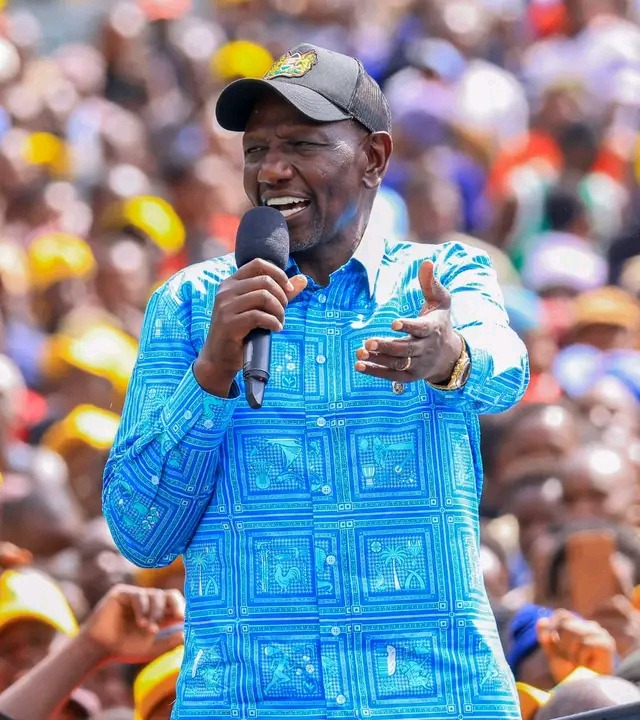
The government has dismissed as false claims that President William Ruto nominated a fresh batch of Cabinet Secretaries, following the circulation of a letter on social media purportedly requesting the Ethics and Anti-Corruption Commission (EACC) to vet five individuals for Cabinet appointments.
The letter, dated July 23 and allegedly from the Office of the Clerk of the National Assembly, claimed that the EACC had been asked to conduct integrity checks on the proposed nominees before their appointments.
Among those named in the document were Winnie Odinga for the Tourism and Wildlife Ministry, Suna East MP Junet Mohammed for Lands, Public Works, Housing and Urban Development, former Kakamega Senator Cleophas Malala for Agriculture and Livestock Development, Koki Muli for Water, Sanitation and Irrigation, and Dr Agnes Zani for the ICT and Digital Economy docket.
However, the EACC quickly dismissed the document as fake, stating it had not received any such communication from the National Assembly. The commission’s response effectively debunked the claims and raised doubts about the authenticity of the circulating letter.
The fake letter surfaced amid recent changes in President Ruto’s administration. On May 28, the president reshuffled principal secretaries, moving Kello Harsama to the Petroleum docket while Caroline Karugu took over the ASALs and Regional Development department in an acting capacity.
Further changes followed on June 9, when Julius Bitok was transferred from Basic Education to Tourism and Wildlife, with John Lekakeny Ololtuaa moving in the opposite direction to head the Basic Education docket.
Most recently, on July 21, President Ruto appointed Charles Owino as the new Government Spokesperson, replacing Isaac Mwaura, who was reassigned to lead the Office of Diversity, Inclusion and Disability Rights in the Executive Office of the President.
The government has urged the public to disregard the viral letter, emphasizing that no such Cabinet nominations have been made and cautioning Kenyans against spreading unverified information on social media.