

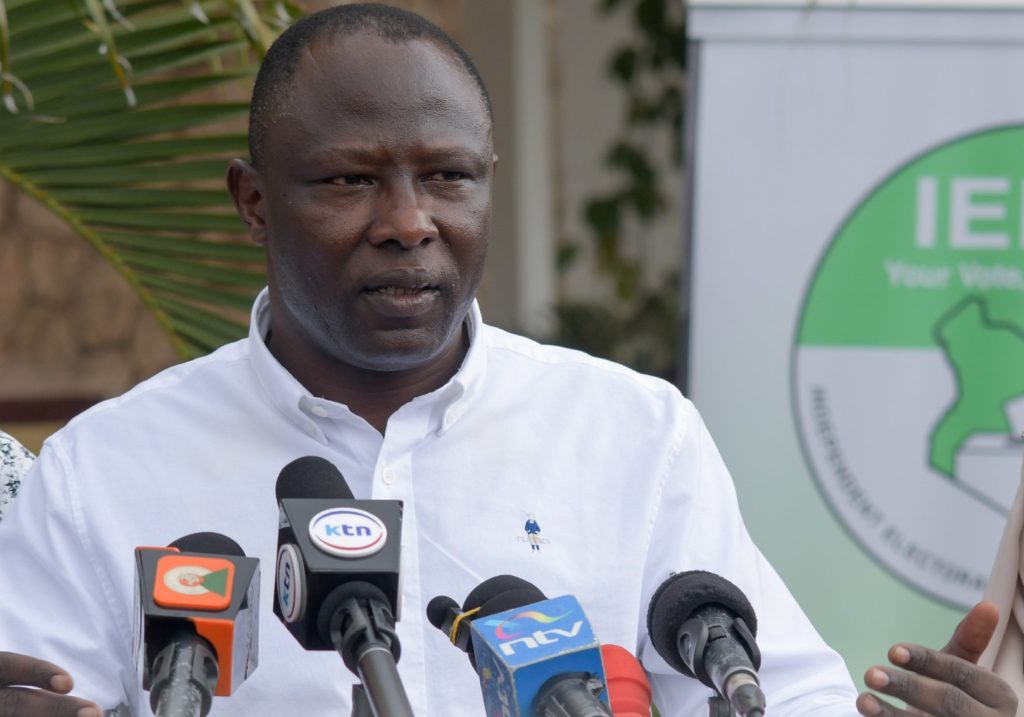
The Independent Electoral and Boundaries Commission (IEBC) has clarified that it has no role in the nomination or vetting of a Deputy President following an impeachment, stating that the process is strictly guided by the Constitution and handled by the President and the National Assembly.
The clarification comes against the backdrop of continued political debate following the 2024 impeachment of former Deputy President Rigathi Gachagua, who has maintained that his removal from office was unconstitutional and politically driven.
Gachagua has repeatedly challenged the process in court, arguing that it violated constitutional safeguards and due process requirements.
However, IEBC officials have now distanced the electoral body from any involvement in succession matters at the level of the Deputy President, saying its mandate does not extend to appointments or nominations arising from impeachment proceedings.
According to the commission, the legal framework governing the replacement of a Deputy President is clear, with the responsibility for selecting a nominee resting entirely with the President, while Parliament conducts the approval process.
The IEBC further noted that suitability checks, political considerations and parliamentary vetting are undertaken by the Executive and the National Assembly, not the electoral body.
The clarification comes after renewed public discussion on the legality of the process that led to the appointment of Kithure Kindiki following Gachagua’s removal from office.
Kindiki was subsequently sworn in after parliamentary approval, completing a transition that followed weeks of political and legal contestation.
The impeachment of Gachagua in 2024 remains one of the most significant constitutional and political events in recent Kenyan history, marking the first successful removal of a sitting Deputy President under the 2010 Constitution.