

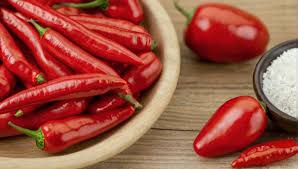
Chili pepper, also known as pili pili, is more than just a hot spice in food. Many people use it daily without knowing that it contains a powerful natural compound called capsaicin. This is what gives chili its burning taste and some of its health-supporting effects.
One of the most talked-about benefits of chili pepper is pain relief. Capsaicin may help reduce pain signals in the body, which is why it is sometimes found in creams for sore joints, arthritis, and muscle pain. It does not cure these conditions, but it can make discomfort easier to manage.
Chili pepper may also support weight management. It can slightly increase body heat and speed up metabolism, which means the body may burn energy a bit faster. Some people also feel less hungry after eating spicy food, which can help with portion control when combined with a balanced diet.
It can also support digestion in some people. Chili stimulates stomach juices, helping food break down more efficiently. This may reduce feelings of heaviness after meals. However, for people with sensitive stomachs, it can sometimes cause irritation instead of comfort.
Another area where chili pepper may help is heart health. It can support better blood circulation and may contribute to healthier cholesterol levels when used as part of a healthy diet. Good blood flow is important for overall body function.
Chili pepper also contains antioxidants like vitamin C, which help the body fight stress and support the immune system. It may even help clear blocked noses when you have a cold.
Some early research suggests it might help with blood sugar control, but it is not a treatment for diabetes or any disease.
Even with these benefits, chili should be used in moderation. Too much can cause heartburn or stomach discomfort, especially for people with ulcers or acid reflux.