

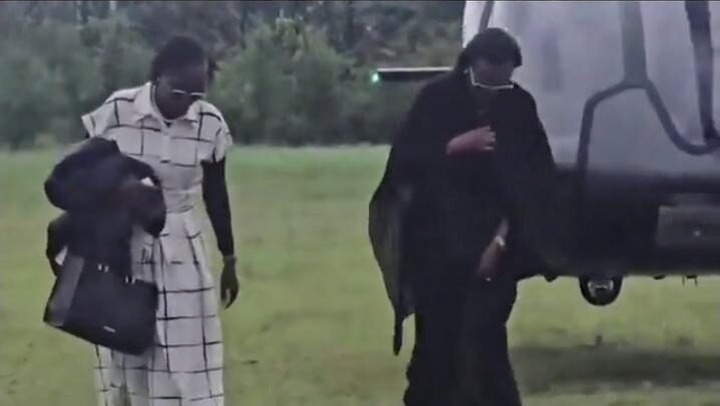
The burial of Emurua Dikirr MP Johana Ng’eno p0on Friday, March 6, 2026, has highlighted a striking contrast that has not escaped the notice of many Kenyans. As thousands gathered at Mogondo village to bid farewell to the legislator, the very mode of transport that claimed his life the helicopter became the primary means of arrival for the nation’s political elite.
The irony of the situation was visible across the skies of Narok County as the rhythmic thumping of rotor blades provided a constant soundtrack to the mourning process. Only six days prior, the ill-fated Eurocopter AS350 had plummeted into the Chepkiep Forest in Nandi, killing Ng’eno and five others. Yet, as the burial ceremony commenced, at least a dozen helicopters were seen landing at nearby schools and open fields, ferrying high-ranking government officials, governors, and fellow members of parliament to the venue.
For many observers, this scene presented a difficult paradox. On one hand, the use of helicopters is a logistical necessity for leaders attempting to navigate the vast and often rugged terrain of the South Rift in a single day. On the other hand, using these aircraft to attend the funeral of a man who died in an air crash feels like a loud and jarring reminder of the risks that come with VIP travel in Kenya.
The social media space has been filled with commentary on this loud irony, with some citizens questioning whether any new safety protocols or reflections have occurred within the week following the tragedy. While Kenyans continue to debate the optics of the situation, the reality remains that for the Kenyan political class, the helicopter remains the preferred tool of the trade, even when it serves as a floating reminder of the fragility of life.