

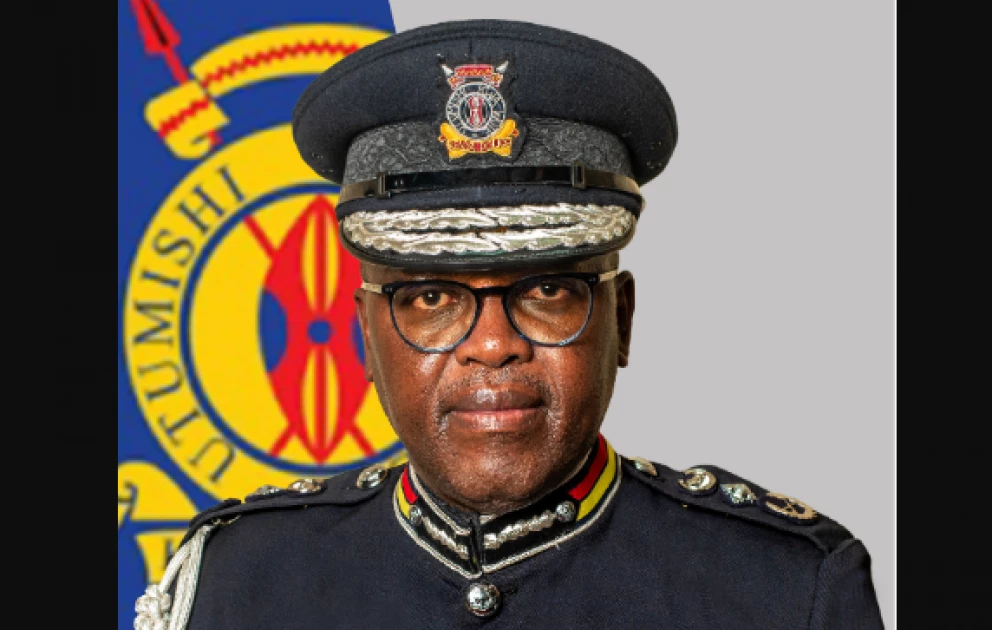
The Independent Policing Oversight Authority (IPOA) has concluded that Deputy Inspector General (DIG) Eliud Lagat has no case to answer in the murder of blogger and teacher Albert Ojwang’. Despite this clearance, Lagat’s future in the police force remains uncertain due to mounting public pressure.
Many Kenyans have expressed dissatisfaction with IPOA’s findings, questioning the thoroughness of the investigation into Ojwang’s death. Civil society groups and activists are now demanding Lagat’s resignation, citing a loss of public trust in his leadership.
The Office of the DIG has come under intense scrutiny, with protests erupting in some parts of the country calling for accountability and justice for Ojwang’. Analysts suggest that the government may be forced to act to restore confidence in the police service.
Sources within the National Police Service indicate that senior officials are considering Lagat’s voluntary resignation to quell the growing unrest. However, Lagat has yet to make any public statement regarding his plans amid the escalating controversy.
Legal experts argue that while IPOA’s decision absolves Lagat legally, the court of public opinion may ultimately determine his fate. The case has reignited debates about police accountability and the effectiveness of oversight bodies in Kenya.
As pressure mounts, observers warn that the government’s handling of the situation could either calm tensions or further erode trust in law enforcement institutions. For now, all eyes remain on DIG Lagat and the National Police Service as they navigate this delicate crisis.
By Nairobi