

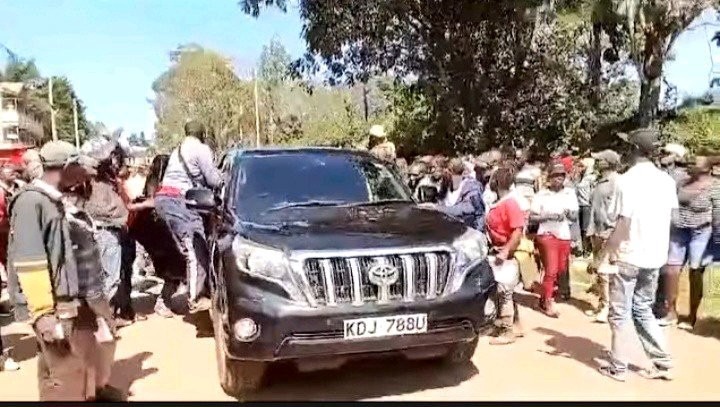
Hours after a post‑mortem at Nairobi’s City Mortuary formally confirmed that he died from head injuries sustained in beatings, the group unsuccessfully tried to gain access to the mortuary.
In the midst of this tension, Homa Bay County Woman Representative Atieno Bensuda was reportedly forced to retreat from the premises after angry youth confronted and chased her away, accusing her of seeking political mileage from the tragedy .
The official autopsy, led by Pathologist Bernard Midia on June 10, revealed wounds consistent with assault—not self‑inflicted.
Besides the fatal head trauma, the report highlighted neck compression and multiple defensive wounds, including injuries on Ojwang’s hands and back, plainly indicative of torture .
These findings directly contradict earlier police claims that Ojwang died by accidentally hitting his head against a cell wall while in custody at Nairobi Central Police Station.
Earlier disruptions had swamped the autopsy process. Activists and family members stormed the mortuary on Monday, forcing a postponement of the procedure by a day.
The scene intensified as they attempted to get closer to the body and press for transparency . In response, authorities fortified security at the site to prevent further unrest .
The confrontation involving Representative Bensuda reflects the deep community anger and distrust over perceived politicization of Ojwang’s death.
Youths accused her of using the incident to gain visibility—stressing that their priority was justice, not political posturing .
This incident adds another layer to the growing public outcry in Kenya, where calls for an independent investigation have intensified.
IPOA has already launched inquiries, top police officials have been interdicted, and civil society organizations are demanding full transparency.
The autopsy results have only strengthened the resolve for accountability, emphasizing that this isn’t just a local tragedy but a national test of the rule of law.
By Kenyans