

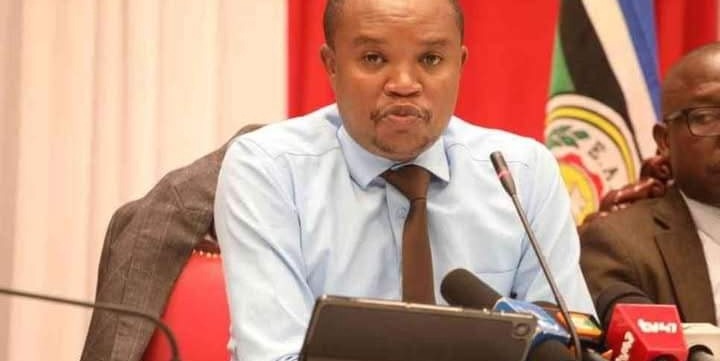
Nairobi — A high-profile legal battle involving Molo Member of Parliament Kimani Kuria and a luxury car has unfolded into one of Kenya’s more unusual financial disputes, spotlighting tensions over unpaid debts, contractual obligations, and competing claims of ownership.
The centre of the controversy is a 2015 Mercedes-Benz S600, registration number KDK 650S, currently rebadged as a Maybach and valued at Sh10.5 million.
Court records and media reports show the vehicle has become the subject of a bitter fight between the legislator and a city car dealership, now before the Milimani Commercial Court.
According to court documents seen by Capital FM and The Standard, the saga traces back to June 2024, when Re-Lease Hire Purchase Limited sold the Mercedes to a car dealer, Luxx Windsor Motors Limited, for Sh10.5 million.
Under the sale terms, Luxx Windsor paid a Sh5 million deposit, with the balance due within seven days.
However, the outstanding Sh5.5 million was allegedly not cleared in time. In the ensuing confusion, MP Kuria Kuria is reported to have approached the dealer, paid the initial deposit, and then taken possession of the vehicle — a move that has become central to the unfolding legal dispute.
The lawmaker maintains that his acquisition of the Mercedes was part of a temporary arrangement, entered into because he urgently needed a vehicle, and that negotiations to regularise the deal were ongoing.
He claims there were extenuating circumstances, including an incident when his rural home was vandalised and destroyed by youths protesting his political positions — although separate reports indicate those events were linked to widespread unrest and not directly to the vehicle transaction.
Re-Lease Hire Purchase Limited, on the other hand, disputes this version.
Through its lawyers, Kinyanjui, Kirimi & Company Advocates, the firm insists the MP refused to pay the remaining balance, denied access to representatives seeking recovery of the car, and utilised armed guards to keep the vehicle at his residence in Runda.
In response, Re-Lease moved to the Milimani Commercial Court, where Magistrate Thomas Nzyoki granted interim orders in September 2025 barring Luxx Windsor Motors, auctioneers, or any other parties from selling, auctioning, alienating, transferring, or disposing of the vehicle until the dispute is resolved in court.
This injunction effectively freezes the status of the Mercedes while legal arguments proceed.
At the heart of the litigation is not just who owes whom money, but also contractual interpretation, possession rights, and the boundaries of informal agreements involving high-value assets.
The case has raised questions among motor dealers and legal commentators about hire purchase practices, deposit enforcement and repossession rights under Kenyan law, particularly where high-value goods and politically connected individuals intersect.
For MP Kuria, the outcome has reputational as well as financial implications.
Already a prominent member of Parliament’s Finance and Planning Committee, the court proceedings have placed him under media and public scrutiny, raising debates over accountability and the conduct of elected officials in private commercial transactions.
The dispute remains active in the commercial division of the courts, with both parties expected to present further evidence and arguments before a final determination is made.
Until then, the interim injunction ensures the Mercedes neither leaves the court’s custody nor is sold or transferred.
By Nairobihub