

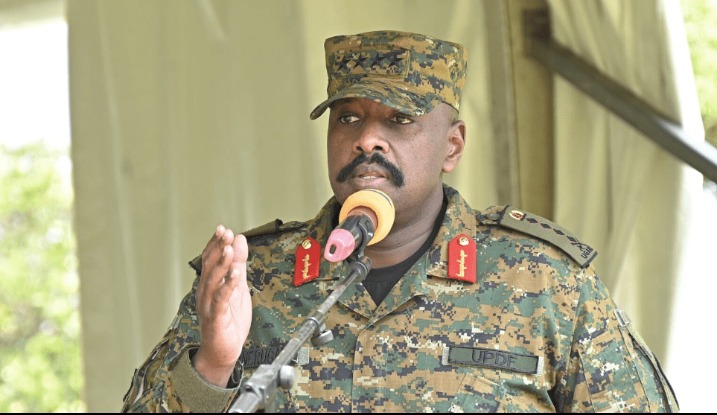
A recent statement from Uganda’s Chief of Defence Forces, General Muhoozi Kainerugaba, has cast a spotlight on the delicate dance of international relations. The General openly acknowledged a ongoing disagreement with a sitting United States Senator. Such friction is part of the fabric of global politics, where competing national interests and perspectives often lead to public clashes between government officials.
However, General Muhoozi was quick to contrast this political spat with another key relationship. He firmly stated that such a contentious situation would be unthinkable with Britain’s King Charles III. This distinction is far from casual; it is a calculated diplomatic signal.
The difference lies in the nature of the institutions. A US senator is a political figure, engaged in the direct, and often combative, arena of policy-making. Disagreeing with one is a statement on governance. The British monarchy, however, represents a historical and ceremonial institution, a symbol of enduring statehood and shared Commonwealth heritage. By separating the two, General Muhoozi makes a classic strategic move. He isolates a political dispute from a formal, traditional alliance.
The message is clear: Uganda can publicly disagree on policy with one Western power while simultaneously expressing unwavering respect for the symbolic head of another. This is not about personal feelings, but about astute geopolitical positioning. It underscores a nation’s effort to navigate complex global currents critiquing where necessary while carefully preserving the pillars of longstanding diplomatic tradition and respect.
Uganda’s General Muhoozi just made a fascinating distinction in global diplomacy. He acknowledges a clash with a US Senator but says a similar rift with King Charles III is impossible. This highlights the complex balance between political disagreement and traditional alliances.
By Nairobinews