

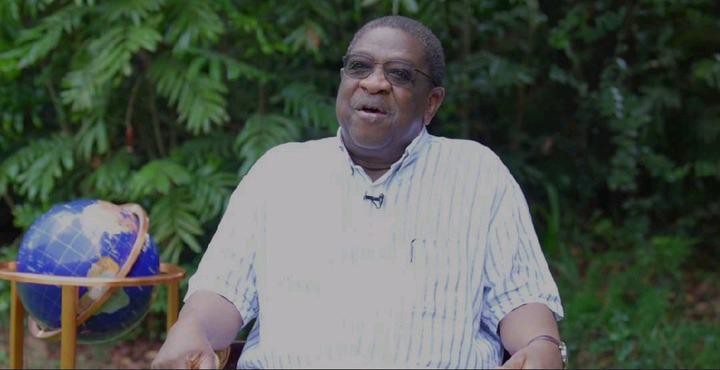
Former Attorney General and Busia Senator Amos Wako has expressed strong confidence in Professor Kithure Kindiki’s potential to foster national unity under President William Ruto’s administration.
According to Wako, Kenya’s deep-rooted issues with ethnicity and tribalism remain a significant barrier to national cohesion. He believes that Kindiki, who was recently sworn in as Deputy President following a legal hold on his appointment, is uniquely positioned to assist in bridging these divides.
Wako emphasized that as Deputy President, Kindiki is constitutionally mandated to support the President, who stands as a symbol of national unity. He revealed the importance of Kindiki’s role in ensuring that all Kenyans, regardless of political affiliation, feel a sense of inclusion and ownership in the government.
The notion of all citizens being “shareholders” in the national project, whether they backed the current administration or the opposition, aligns with Wako’s vision for a Kenya united beyond tribal and ethnic boundaries. Kindiki’s extensive experience in public service, combined with his integrity, reinforces Wako’s belief in his suitability for this challenging but vital task.
Another aspect Wako highlighted about Kindiki’s leadership style is his commitment to meritocracy in state appointments. He recalled a time when Kindiki supported his appointment as the chairman of the Committee on Legal Affairs and Human Rights despite his opposition alignment, emphasizing qualifications over political allegiance.
This decision, according to Wako, showcased Kindiki’s inclination to reward merit over partisanship, a stance that Wako believes the Deputy President can bring to public service appointments under President Ruto’s administration.
Through Kindiki’s emphasis on inclusivity and merit-based appointments, Wako is optimistic about a shift toward a more unified, professionally driven government. Wako suggested that Kindiki’s measured approach could also help cool the nation’s heated political climate. As Kenya navigates a time of intense political divisions and rising regional tensions, Kindiki’s role is expected to be one of mediation and unity-building, easing friction while reinforcing a government grounded in diversity and shared purpose.
By Nairobi