

In a promising development for public health in Kenya, a new HIV prevention method is set to be introduced in select counties, marking a significant step forward in the fight against the HIV/AIDS epidemic. This initiative aims to enhance the country’s efforts in reducing HIV transmission rates, which have been a persistent challenge despite various ongoing prevention and treatment programs.
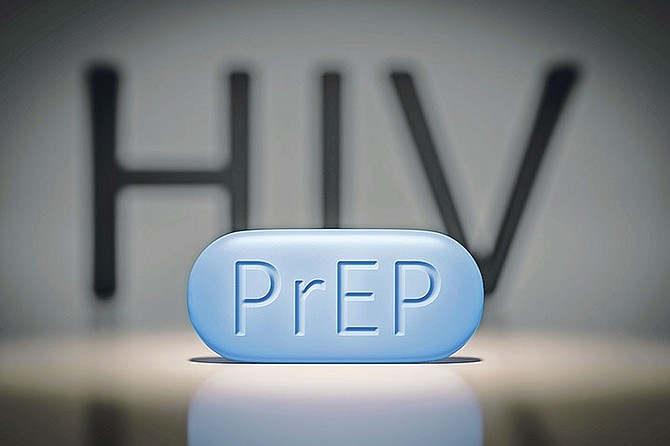
The new method, which is expected to roll out in several counties including Nairobi, Mombasa, Kisumu, and Nakuru, involves the use of a novel pre-exposure prophylaxis (PrEP) regimen. PrEP has proven to be highly effective in preventing HIV infection among high-risk populations, including those with multiple sexual partners, individuals in serodiscordant relationships, and those engaging in high-risk behaviors.
This innovative approach will integrate the latest advancements in PrEP, including a longer-acting injectable formulation that requires less frequent dosing compared to traditional daily oral PrEP pills. The new injection, which only needs to be administered once every two months, offers a more convenient and potentially more effective option for individuals who struggle with adherence to daily medication.
The introduction of this method is expected to have a substantial impact on Kenya’s HIV prevention landscape. By targeting high-prevalence areas and making prevention tools more accessible, the initiative aims to lower new HIV infections and support the country’s ambitious goal of ending the HIV epidemic by 2030. Health officials and advocates are optimistic that this approach will also help address stigma and increase uptake among those at risk, ultimately leading to a broader reach and greater impact.
Furthermore, the rollout will be accompanied by extensive education and support programs to ensure that individuals are well-informed about the new method and its benefits. Health care providers will receive specialized training to deliver this new form of PrEP effectively, ensuring that it is administered correctly and that patients receive the necessary follow-up care.
In addition to its public health benefits, this initiative underscores Kenya’s commitment to innovation in combating HIV/AIDS and its dedication to improving health outcomes for all citizens. As this new prevention method is introduced, it will not only serve as a beacon of hope for individuals at risk but also exemplify the progress that can be achieved through continued investment in health care and prevention strategies.
Overall, this development represents a significant milestone in Kenya’s ongoing efforts to address HIV/AIDS. The introduction of the new HIV prevention method is expected to bring tangible improvements in public health, reduce transmission rates, and contribute to a future where the impact of HIV/AIDS is markedly diminished.
By Differentiated