

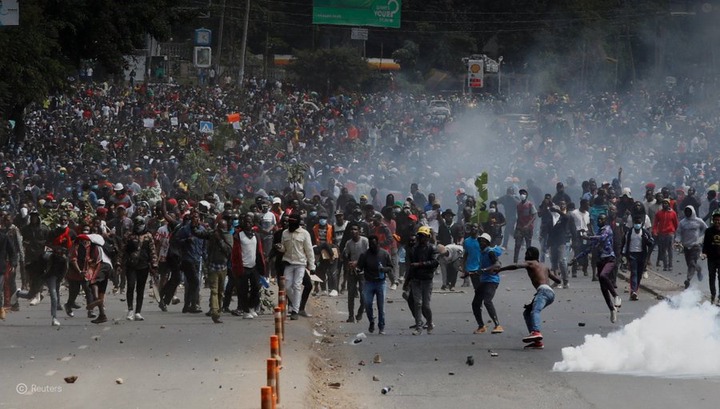
In a rapidly evolving political landscape, Kenya’s Gen Z is emerging as a formidable force of change. Recently, this dynamic demographic has garnered significant attention for its widespread dismissal of President William Ruto’s televised interview. Disillusioned by traditional political discourse and yearning for genuine change, Gen Z is taking a stand, channeling their frustrations into action under the rallying cry “Occupy Everywhere.”While some of the Generation Z demonstrators voiced dissatisfaction with President William Ruto’s interview on Sunday, claiming he did not adequately address Kenyans’ complaints, they also stated that their actions today, which include a nonviolent demonstration called “Occupy Everywhere,” are proceeding as planned.
On Monday, members of Generation Z, who have dubbed themselves “leaderless, tribeless, partyless but not rudderless,” paid respects to those hurt during the protests of the previous week and thanked them for their selflessness in standing up for Kenyans.
President Ruto’s interview, intended to address pressing national issues and garner public support, instead sparked a wave of skepticism among Gen Z viewers. Many perceived his statements as out of touch with the realities facing the younger generation, who grapple with unemployment, rising living costs, and limited opportunities. Social media platforms buzzed with critiques, memes, and hashtags, showcasing the digital savviness of Gen Z and amplifying their dissent.
Unlike previous generations, Gen Z is not content with passive observation. They are leveraging their digital fluency and activist spirit to demand accountability and transparency from their leaders. The “Occupy Everywhere” movement is a manifestation of this resolve, with young people organizing peaceful protests, sit-ins, and community dialogues across the country. Their message is clear: superficial rhetoric will no longer suffice; tangible, inclusive policies are imperative.
This groundswell of youth activism signifies a broader shift in Kenya’s political climate. Gen Z’s emphasis on social justice, environmental sustainability, and economic equity is pushing the boundaries of conventional political engagement. They are redefining participation, not just through protests but also by running for office, forming advocacy groups, and utilizing technology to mobilize and educate their peers.
The dismissive response to President Ruto’s interview underscores a critical juncture in Kenyan politics. As Gen Z continues to “occupy everywhere,” their influence is set to reshape the nation’s future. Their unwavering commitment to progressive change is a testament to their determination to forge a more equitable and just society for all.
By Newshub