

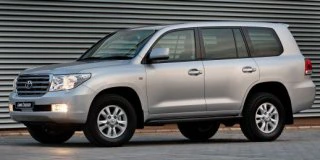
The Toyota V8 is a popular choice among SUV enthusiasts, known for its power and performance. However, one key consideration for potential owners is its fuel consumption, which directly impacts the cost of ownership. In this article, we’ll delve into the amount of fuel a Toyota V8 consumes per kilometer, its demand in the market, and its price.
Fuel Consumption:
The fuel consumption of a Toyota V8 can vary depending on several factors. On average, this SUV consumes approximately 13 to 17 liters of fuel per 100 kilometers. This figure is influenced by factors such as driving habits, terrain, and maintenance. Owners who frequently drive in urban areas with heavy traffic may experience higher consumption rates compared to those who mainly drive on highways.
Demand:
The demand for Toyota V8s remains strong, primarily due to their reputation for reliability and performance. Enthusiasts appreciate the powerful V8 engine, spacious interior, and off-road capabilities. Moreover, Toyota’s commitment to safety and technology features continues to attract buyers. While the demand for SUVs can fluctuate with economic conditions and environmental concerns, the Toyota V8’s enduring appeal keeps it in demand in many markets.
Price:
The price of a Toyota V8 can vary significantly depending on the trim level, optional features, and the region in which it is sold. In general, the base model starts at around $80,000, while fully loaded models with premium features can exceed $100,000. It’s essential to research and compare prices from different dealerships to find the best deal that suits your budget and preferences.
Factors Influencing Fuel Consumption:
To optimize fuel efficiency, Toyota V8 owners can take several steps:
Proper Maintenance: Regular maintenance, such as oil changes and air filter replacements, can improve fuel efficiency.
Driving Habits: Gentle acceleration and consistent speed can help conserve fuel.
Tire Pressure: Keeping tires properly inflated reduces rolling resistance, improving gas mileage.
Avoiding Excess Weight: Removing unnecessary cargo from the vehicle can reduce fuel consumption.
Route Planning: Choosing routes with less traffic congestion and avoiding steep inclines can also help save fuel.
In conclusion, the Toyota V8 offers a balance of power, performance, and versatility. While it may have a higher fuel consumption compared to smaller vehicles, its demand remains strong among consumers who value its capabilities. Before purchasing a Toyota V8, it’s important to consider factors such as fuel consumption, market demand, and pricing to make an informed decision that aligns with your needs and budget.
by: mbevimbevi