

Kenyans interested in pursuing careers in the country’s intelligence sector have several academic and personal requirements to consider before seeking opportunities at the National Intelligence Service (NIS).
The agency is responsible for collecting and analysing intelligence, identifying potential threats to national security and advising the government on matters relating to the country’s safety and national interests.
Unlike many public institutions that advertise vacancies through open recruitment notices, the NIS reportedly uses a career portal where interested individuals can submit their personal information and academic credentials for consideration when suitable opportunities arise.
According to the recruitment guidelines, prospective applicants are expected to create personal profiles through the NIS career portal.
The process involves submitting personal details and uploading supporting documents, including a Kenyan national identity card, passport-size photograph, KCSE certificate and relevant certificates obtained from colleges or universities.
Submitting a profile does not automatically guarantee employment. The agency may consider information in its talent pool when opportunities arise, with shortlisted individuals contacted directly for further assessment.
The entry requirements are divided into three categories, depending on an applicant’s highest academic qualification.
For graduate trainee positions, candidates must hold a degree from a recognised university. They should also have attained at least a C+ mean grade in KCSE and be aged between 22 and 31 years.
Diploma holders seeking consideration must have a KCSE mean grade of C (plain) or higher. Their diploma should be obtained from a recognised institution after at least 18 months of study. Applicants in this category should be between 20 and 30 years old.
For certificate trainee positions, the minimum academic requirement is a KCSE mean grade of D+ or its equivalent. Candidates must also possess a relevant certificate from a recognised institution following at least six months of training. The age bracket for this category is 20 to 26 years.
Other Conditions Applicants Must Meet
Beyond academic qualifications, candidates across the three categories must be Kenyan citizens with valid national identification documents.
They are also expected to have clean criminal records and meet the required physical and medical fitness standards.
Integrity, discipline and the ability to handle confidential information are additional qualities expected of individuals seeking to work in the intelligence sector.
Successful candidates undergo the required selection process before receiving formal appointments from the Director-General.
How Much Do NIS Officers Earn?
The exact salaries of officers serving in the National Intelligence Service are not publicly disclosed.
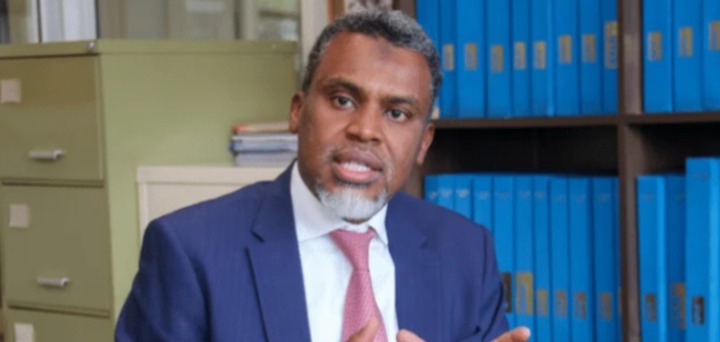
However, the remuneration of the agency’s Director-General is publicly reported. Noordin Haji is listed as earning a gross monthly salary of KSh819,844.
The reported package comprises a basic salary of KSh491,906, a house allowance of KSh150,000 and a salary market adjustment of KSh177,938, alongside an official commuter allowance.
The Salaries and Remuneration Commission (SRC) has a constitutional mandate to set and review remuneration and benefits for public officers, including those serving in the intelligence sector.
The NIS plays a central role in protecting Kenya’s national security through intelligence gathering and counter-intelligence operations.
Its responsibilities include identifying possible security threats, sharing relevant intelligence with government agencies and advising the President and other state institutions on matters that could affect national security.
The service also undertakes preventive security activities within government departments, public institutions and diplomatic missions, while helping protect Kenya’s interests both locally and internationally.
For Kenyans considering a career in the intelligence service, understanding the different entry categories, academic qualifications and age restrictions is an important starting point.