

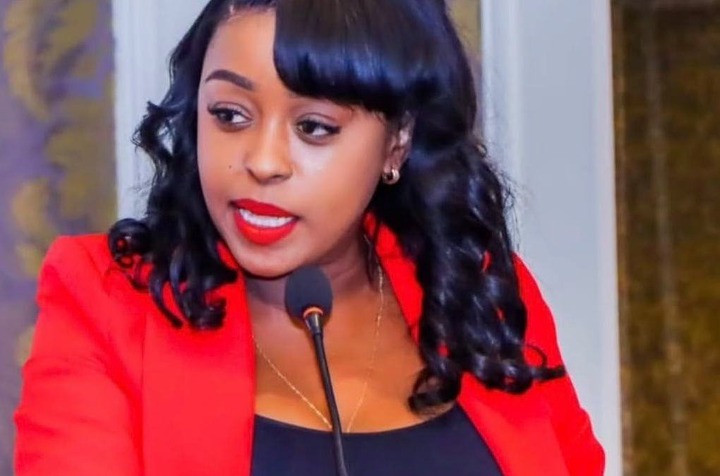
In an Instagram post shared on Saturday, October 31, 2026, the journalist described journalism as a public duty and called for media practitioners to work without fear or censorship.
“Journalism is not a crime; it’s a public duty,” she wrote, adding that protecting the voices telling Africa’s stories was necessary to shape the continent’s narrative.
Her remarks came during an interview in which she addressed the treatment of journalists, including reporter Odie Francis, who was harassed and arrested.
Muli condemns treatment of Odie Francis
“That was completely unacceptable,” she said, noting that media freedom had been advocated for by the Media Council and the Editors Guild.
She questioned the rough treatment of journalists carrying out their duties.
“When a reporter is out there doing their trade, doing what it is that they’ve been trained to do, and you handle them with such roughness, especially as uniformed officers, if I recall, then what are we seeing in this society?” she posed.
She described such incidents as bullying, saying journalists give the public a voice, educate people and empower them through information.
Muli says newsrooms are making progress
Asked whether media owners were doing enough to protect journalists, Muli said she had seen progress in leadership.
At her workplace, she said reporters were encouraged to be fearless, truthful and fair while avoiding bias.
“We’re encouraged to tell the truth. We’re encouraged to be fair in our reporting. We’re encouraged to stay away from biases,” she said.
She added that the industry had grown compared with five years ago.
Advice to upcoming journalists
Addressing young reporters worried about their safety, Muli urged them to remain courageous and committed to factual reporting.
“The journalist who stands out is the one who has the courage,” she said, encouraging them to tell stories without compromise, avoid stereotypes and stick to the truth.