

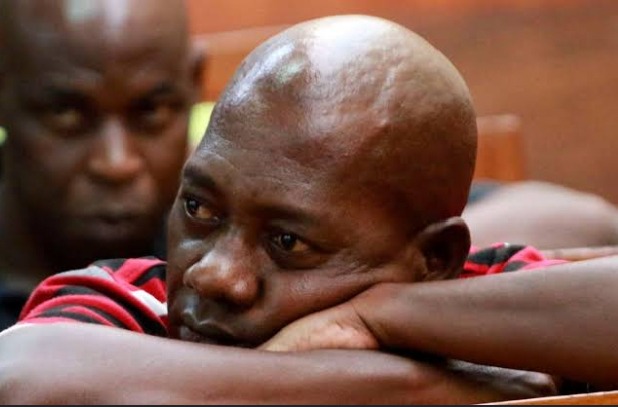
The High Court has found controversial preacher Paul Mackenzie guilty of radicalising his followers a case linked to the deaths of 429 people in the Shakahola tragedy that shocked Kenya and drew international attention.
The ruling marks a significant development in the legal proceedings surrounding one of the country’s most disturbing cases in which hundreds of people lost their lives after reportedly following extreme religious teachings associated with Mackenzie.
The Shakahola tragedy unfolded in Kilifi County where authorities uncovered mass graves and recovered human remains during investigations into the deaths of members of Mackenzie’s religious following.
The discoveries raised serious questions about religious extremism the protection of vulnerable followers and the oversight of religious institutions in Kenya.
Investigators have examined allegations that followers were subjected to radical teachings that encouraged dangerous practices.
The case has also sparked widespread public debate over how such activities continued and whether earlier intervention could have prevented the loss of lives.
The court’s finding of guilt represents a major moment for the victims’ families many of whom have endured prolonged uncertainty and grief as investigations and court proceedings continued.
The tragedy prompted renewed calls for stronger safeguards against religious manipulation and for authorities to take action against individuals suspected of exploiting faith to endanger their followers.
As the case progresses through the justice system, attention is expected to remain focused on accountability, the experiences of survivors and the wider implications for religious freedom and public safety.
The deaths of 429 people have left a lasting mark on Kenya making the Shakahola case a grim reminder of the devastating consequences that can arise when vulnerable individuals are exposed to dangerous forms of radicalisation.