

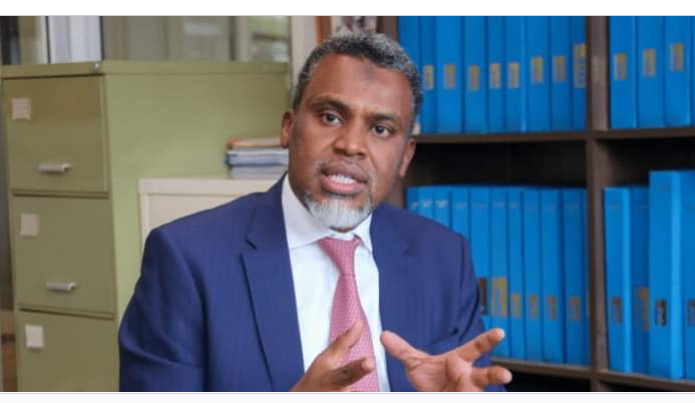
The National Intelligence Service (NIS) remains one of Kenya’s key security institutions, responsible for collecting and analysing intelligence to help protect the country from threats.
The service operates under the National Intelligence Service Act and performs its mandate in accordance with the Constitution, including providing security intelligence to relevant government agencies.
Unlike many public institutions, NIS does not generally conduct open mass recruitment exercises through public advertisements.
Instead, interested Kenyans can create personal profiles through the NIS career portal and submit their details for consideration when suitable opportunities arise.
Applicants are expected to provide personal information and upload relevant documents, including a national identity card, passport-size photograph, KCSE certificate and academic certificates.
Candidates who meet the required standards may be contacted directly by the service when recruitment opportunities become available.
Entry-level opportunities are divided into graduate, diploma and certificate trainee categories, with different academic and age requirements for each group.
Graduate trainees are required to be Kenyan citizens, physically fit and between 22 and 31 years old, with a KCSE mean grade of C plus and a recognised university degree.
Diploma trainees should be aged between 20 and 30 years, have attained a KCSE mean grade of C and possess a relevant diploma from a recognised institution.
Certificate trainees should be between 20 and 26 years old, have a KCSE mean grade of D plus and hold a relevant certificate obtained from a recognised institution.
Applicants across the three categories are expected to have clean records, demonstrate integrity and maintain a high level of discipline.
Physical and medical fitness are also important because intelligence work can involve demanding assignments and highly sensitive environments.
Successful candidates undergo a selection process before receiving formal appointment to the service from the NIS Director General.
The salaries of ordinary NIS officers are not publicly disclosed, although remuneration for senior officials is determined through the Salaries and Remuneration Commission framework.
The NIS performs several important functions, including detecting security threats, advising the President and government agencies, protecting national interests and conducting intelligence and counter-intelligence operations.
Kenyans interested in joining the service should therefore rely on official NIS communication and avoid individuals claiming they can guarantee recruitment opportunities.
The recruitment process requires patience, proper documentation and strict adherence to the requirements provided by the service.