

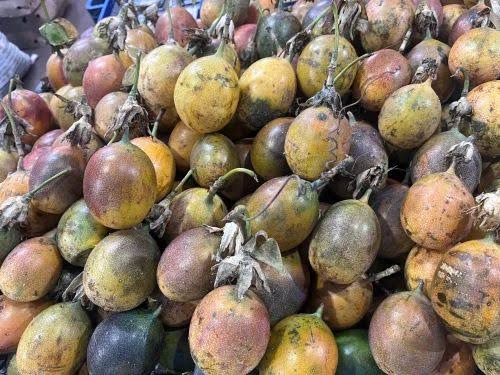
Yellow passion fruit farming is steadily becoming one of the most rewarding horticultural enterprises in Kenya. The crop is particularly suitable for farmers in warm, low altitude regions, where it performs exceptionally well and offers attractive financial returns. As demand for fresh fruits and processed juice continues to increase, more growers are embracing the yellow variety as a dependable source of income.
The crop thrives in areas located between sea level and approximately 1,100 metres above sea level. These conditions are common in Kenya’s Coastal region, many parts of Eastern Kenya, and the lower sections of Central Kenya. Warm temperatures, adequate sunlight, and well drained soils provide an ideal environment for healthy vine growth and high fruit production.
A key reason many farmers prefer the yellow passion fruit is its natural tolerance to several soil related diseases. It is particularly known for its resistance to Fusarium wilt, a disease that has caused major losses in many passion fruit farms. This resilience enables growers to reduce production risks and spend less on disease control, making the enterprise more profitable over time.
The yellow variety is also highly valued by fruit processors because it produces a larger amount of juice than many other passion fruit types. Its fruits are generally bigger, making them suitable for both fresh consumption and commercial juice extraction. This creates multiple marketing opportunities, allowing farmers to sell to local markets, supermarkets, juice manufacturers, and exporters.
Another attractive feature is the crop’s relatively short production cycle. With proper management, yellow passion fruit vines can begin producing marketable fruits within eight to ten months after planting. Once established, the vines continue producing for several years, providing farmers with a steady stream of income.
Successful production starts with planting healthy, certified seedlings in fertile, well drained soils. Farmers are encouraged to incorporate organic manure before planting to improve soil fertility. Since passion fruit is a climbing plant, a strong trellis system is essential to support the vines, improve air circulation, and simplify harvesting.
Regular crop management plays a significant role in maximizing yields. Adequate watering during dry periods, timely fertilizer application, pruning of excess growth, and routine monitoring for pests help maintain healthy plants. Although the yellow variety is more disease resistant than many alternatives, farmers should still watch out for pests such as fruit flies, aphids, and mites and use recommended control measures when necessary.