

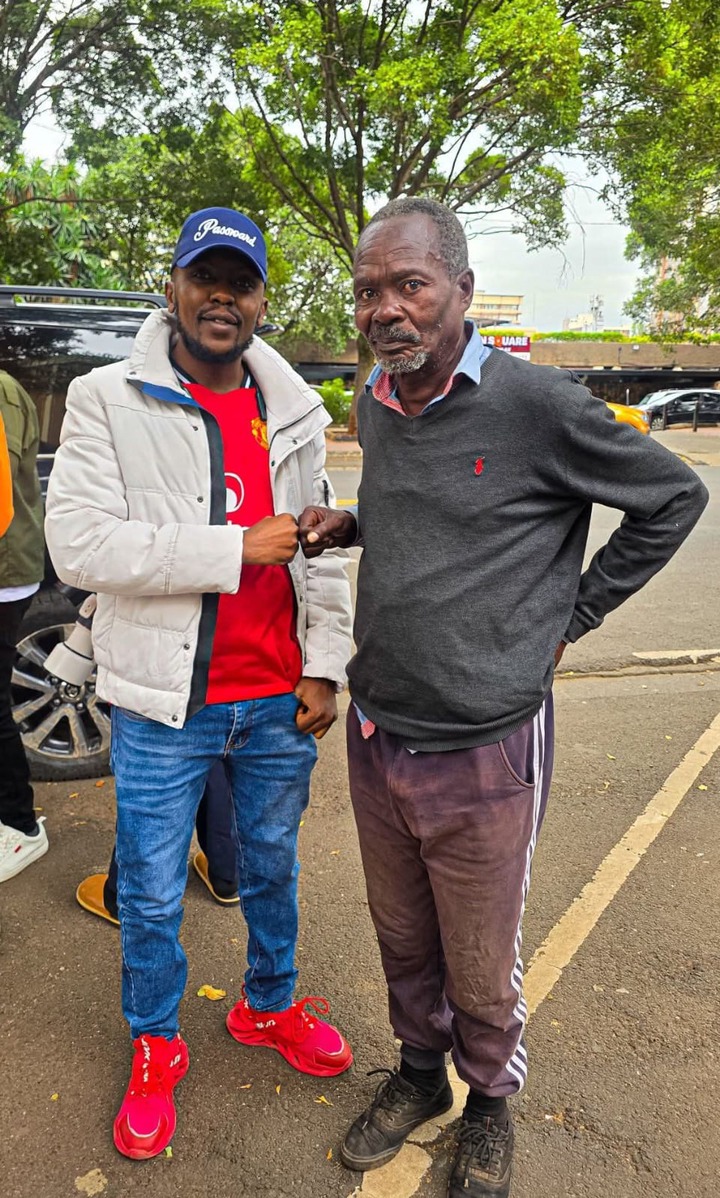
For many Kenyans who grew up watching local television in the 1990s and early 2000s, the name Zoa is tied to an era that helped define homegrown entertainment. Today, however, concern is growing over reports that the veteran actor and scriptwriter is facing severe financial hardship and is in need of support.
The entertainer, identified in media reports as Nassoro Mwamzandi, is remembered for his contribution to several popular productions that once attracted large audiences across the country. His credits reportedly include Tausi, Vituko, Kisulisuli, Chini ya Mnazi, Popo, Asili na Asilia, Zingatia, and Tushauriane.
Recent reports indicate that the veteran creative has been experiencing difficult living conditions and has at times reportedly found himself without stable housing in Nairobi. The situation has prompted renewed attention from members of the public who remember his work during what many consider a defining period for Kenyan television.
The conversation gained momentum after Geoffrey Mosiria publicly appealed to well-wishers, media organizations, and entertainment stakeholders to help the former television star regain stability. According to reports, Zoa has expressed interest in returning to the creative sector through employment opportunities that would allow him to utilize his experience as both a performer and scriptwriter.
Long before streaming platforms became common, productions such as Tausi helped establish local storytelling on Kenyan screens. Actors, writers, and producers from that generation played a significant role in building an industry that entertained millions while creating opportunities for future talent.
As news of Zoa’s reported circumstances spread, many Kenyans took to social media to share memories of his performances. Some described him as a familiar face from their childhood, while others questioned how artists who contributed so much to the country’s cultural landscape can later find themselves struggling.
The development has also reignited discussion about the welfare of retired performers and creative professionals. Observers have pointed to the need for stronger support structures, mentorship programs, and opportunities that allow experienced artists to continue contributing to the industry long after their peak years on screen.
For now, efforts to assist Zoa appear to be gathering attention through public appeals and outreach campaigns. Whether those efforts translate into long-term support remains uncertain, but the renewed focus on his situation has already sparked a wider conversation about how Kenya values and supports the pioneers who helped shape its entertainment industry.