

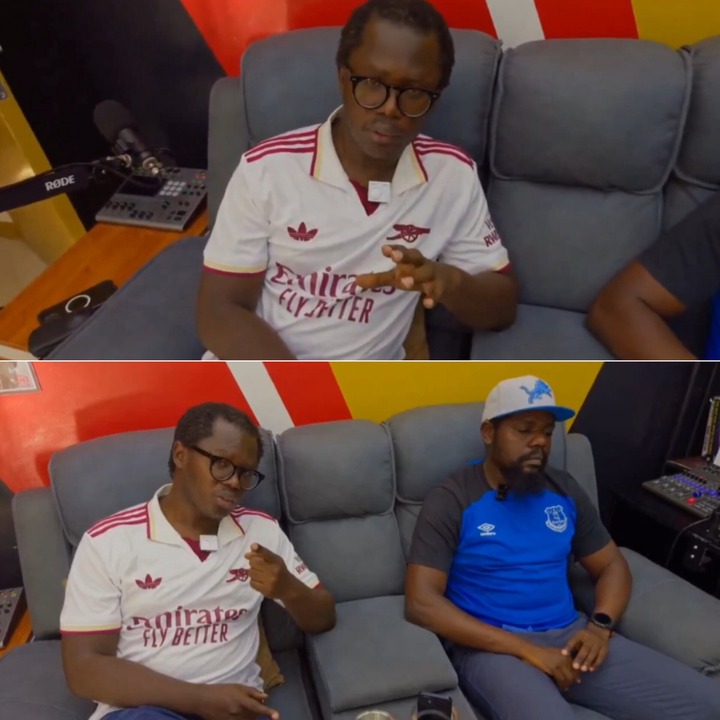
What was meant to be a lighthearted podcast conversation has spiraled into one of the most talked-about online moments of the week after a heated exchange between Mwafreeka and guest Polo Kimani during a recent interview.
The incident reportedly unfolded on the popular “Iko Nini” podcast, where Mwafreeka hosted Polo Kimani for what was expected to be an engaging 90-minute discussion on lifestyle and hustle culture. However, things took an unexpected turn when the host openly complained about his guest’s hygiene during the recording.
Midway through the episode, Mwafreeka allegedly expressed frustration over what he described as a strong body odor in the studio, telling Polo Kimani in blunt terms to “go take a shower” and consider using deodorant. The comment, delivered without hesitation, quickly shifted the tone of the conversation from casual dialogue to awkward tension.
Clips of the exchange began circulating online within hours, igniting a wave of reactions across social media platforms. Some viewers praised Mwafreeka for his “unfiltered honesty,” arguing that podcast hosts should be free to speak their minds without sugarcoating uncomfortable realities. Others, however, criticized the remarks as disrespectful, saying the situation could have been handled privately rather than on air.
Polo Kimani later responded online, defending himself and explaining that he had come directly from a physically demanding job before the interview. His supporters argue that the backlash ignores the reality of his daily hustle, while critics say professionalism should still be maintained regardless of circumstances.
The controversy has since grown beyond the two personalities involved, sparking broader debates about etiquette, respect, and boundaries in modern media spaces where anything said on camera can instantly become viral content.
As the debate continues to unfold, both Mwafreeka and Polo Kimani remain trending topics, with audiences split between those calling it “raw honesty” and others labeling it unnecessary public shaming. What remains clear is that the moment has once again shown how quickly ordinary interviews can turn into national talking points in Kenya’s fast-moving digital culture.