

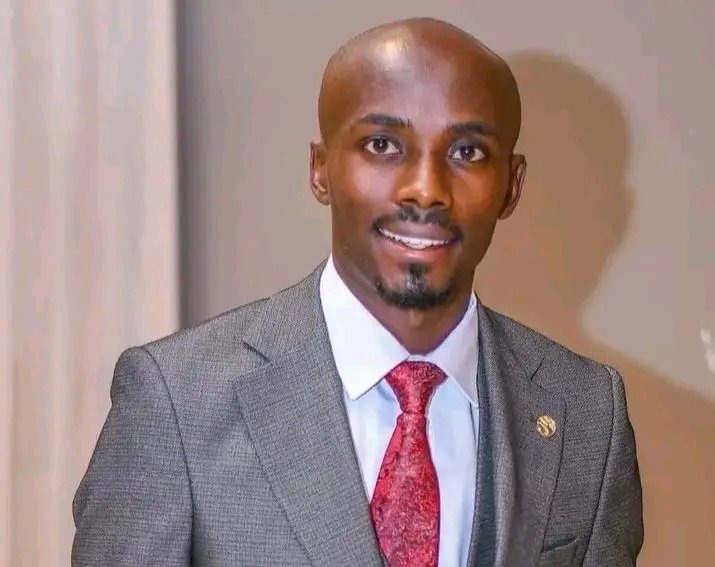
Furniture businessman Gibson Murage has ignited a fierce public debate after remarks attributed to him suggested he deliberately rejects job applicants from the Kikuyu community. The comments, which spread quickly across social media platforms, have drawn criticism from Kenyans who say such statements promote ethnic division in the workplace.
Murage, associated with Modern Furniture Pacific, reportedly claimed that whenever he receives a job application bearing a Kikuyu name, he discards it without consideration. The alleged admission has angered many online users who argue that employment opportunities should be based on merit rather than tribal identity.
What has further fueled the backlash is the location of Murage’s businesses. His furniture outlets operate in Nyeri and Ruiru, both areas within the Central Kenya region where the Kikuyu community forms a large part of the population. Critics say it is contradictory to run businesses in the region while openly expressing reluctance to employ people from the same community.
Some observers believe Murage’s frustrations may stem from personal experiences with employees he considers unprofessional. However, they argue that blaming an entire ethnic group for individual workplace issues is unfair and counterproductive. Others have suggested that poor hiring decisions could be the real problem, pointing out that employers are responsible for setting standards when recruiting staff.
The controversy has sparked wider discussions about discrimination in Kenya’s job market. Many Kenyans online have warned that such sentiments can damage business reputations and alienate potential customers.
A number of social media users from Central Kenya have also raised a pointed question: if local residents are not considered suitable employees, should they continue supporting the business as customers?
Murage has yet to publicly clarify the remarks circulating online, but the conversation surrounding the issue continues to grow. For many observers, the situation highlights the importance of fairness, professionalism and inclusivity in business practices, especially in a country where ethnic identity remains a sensitive subject.