

The internal rift within the Orange Democratic Movement (ODM) has reached a boiling point as veteran leader Dr. Oburu Oginga faces a significant rebellion from the party’s “resistance” wing.
On January 13, 2026, reports emerged that Oburu is reconsidering the “hasty” sanctioning of pre-election coalition talks with President Ruto’s UDA, a move that has alienated the party’s traditional base.
This “regret” follows a high-stakes meeting where several Members of Parliament openly rejected the merger, citing it as a betrayal of the party’s core values and a “deadly trap” for their 2027 ambitions.
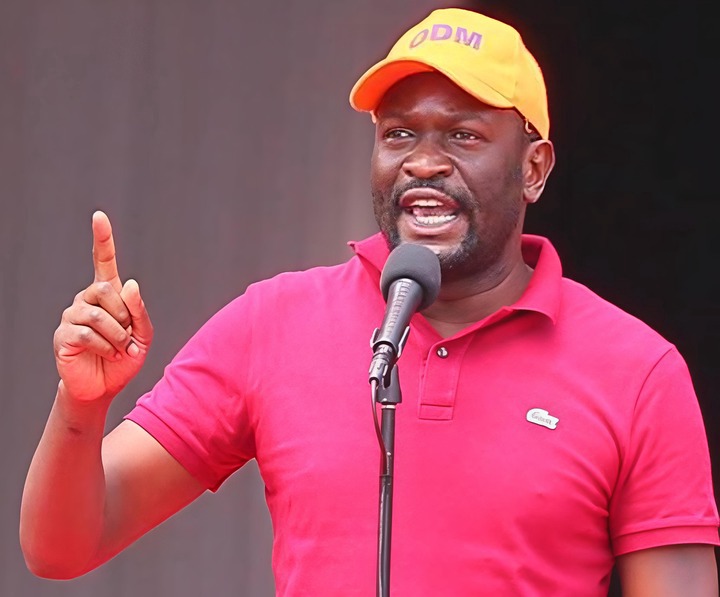
The rebellion is currently coalescing around Secretary General Edwin Sifuna, who conspicuously skipped the recent leadership summit that authorized the UDA negotiations.
The “Sifuna axis” is backed by influential figures like Siaya Governor James Orengo, who has warned that merging with the ruling party would lead to the systematic dismantling of ODM’s grassroots structure.
This faction argues that the party should remain an independent oversight force rather than a subsidiary of the Kenya Kwanza administration, gaining support from MPs who fear losing their seats to Ruto-backed candidates in Nyanza.
In a bid to regain control, Oburu Oginga has announced plans to convene a National Delegates Conference (NDC) to allow the party’s rank-and-file to vote on the proposed coalition.
By putting the decision to the delegates, the elder Odingas hope to silence critics and affirm a unified strategy, though many believe the “damage of the rush” has already fractured the party’s unity.
The President’s camp, meanwhile, continues to exert pressure, hinting that the “broad-based” window is closing and that only those in the formal coalition will benefit from future state resource allocations.
The “Sifuna axis” maintains that the current working arrangement with the government should not be transformed into a permanent political marriage.
They emphasize that the party must prepare for a 2027 presidential run that honors the legacy of the late Raila Odinga, a vision they claim is incompatible with the UDA merger.
This stance has resonated with the youth-heavy electorate in urban centers like Nairobi and Kisumu, where the desire for a strong opposition remains vibrant despite the lure of cabinet slots.
Ultimately, the future of ODM hangs on the outcome of the upcoming NDC, which is expected to be one of the most contentious gatherings in the party’s history.
If the Sifuna-backed rejection holds, Oburu may be forced to backtrack on his commitment to Ruto, potentially triggering a formal split into two distinct political entities.
As the 2027 clock ticks, the “Orange House” stands divided, struggling to choose between the safety of a state-sponsored merger and the uncertainty of a lonely opposition path.
By Nation