

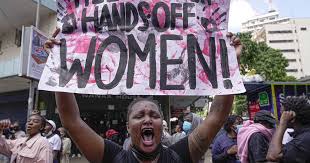
Kenya has made big promises to end gender-based violence by 2026. But as the deadline gets closer, many survivors say the system is still failing them.
Across the country, stories of women, men, and children living with scars—both emotional and physical—continue to emerge. Many of them hoped that recent government commitments would bring real change. Instead, they feel progress has been too slow and uneven.
One of the main concerns is access to justice. Survivors often report that cases take too long, evidence disappears, or offenders walk free due to weak investigations. These delays make many victims lose hope and choose to stay silent.
Support services are also struggling. Safe houses in several counties are either full or poorly funded. Some survivors return to unsafe environments because they have nowhere else to go. Others cannot afford medical treatment or counselling, which are crucial after a traumatic experience.
Activists say that while Kenya has strong laws on paper, the challenge lies in enforcement. They argue that community leaders, police officers, and health workers need better training to handle GBV cases with sensitivity and seriousness.
There is also growing concern about cultural barriers. In some communities, survivors are discouraged from reporting abuse due to stigma or pressure to “solve issues at home.” This continues to put many vulnerable people at risk.
Even so, experts believe progress is still possible. They say that with proper funding, stronger coordination, and consistent political commitment, Kenya can get back on track before 2026.
For survivors, the hope is simple—they want to feel seen, heard, and protected. As the deadline approaches, Kenyans are watching closely to see whether the promises made will finally translate into real safety and justice.
That’s where things stand for now. What’s your take? Share your thoughts below, hit follow for the latest updates, and pass this story along to friends—let’s keep the conversation buzzing!
By Newshub